Cultivated Meat Group
A circular cell culture system using microalgae and mammalian cells for the production of sustainable cultured meat
The cultivated meat group is conducting research at Tokyo Women’s Medical University, in collaboration with Waseda University, as part of the Moonshot Research and Development Program funded by Japan’s Ministry of Agriculture, Forestry and Fisheries. Our research focuses on developing a sustainable cultivated meat production system known as the Circular Cell Culture (CCC) system, in which photosynthetic algae are utilized to support the growth of animal cells, while spent culture medium from animal cell cultivation is recycled for algal cultivation. Furthermore, the expanded animal cells are assembled into cultivated meat using three-dimensional tissue engineering technologies derived from regenerative medicine. Through the implementation and widespread adoption of this novel circular food production system, we aim to achieve both sustainable food production and environmental conservation.
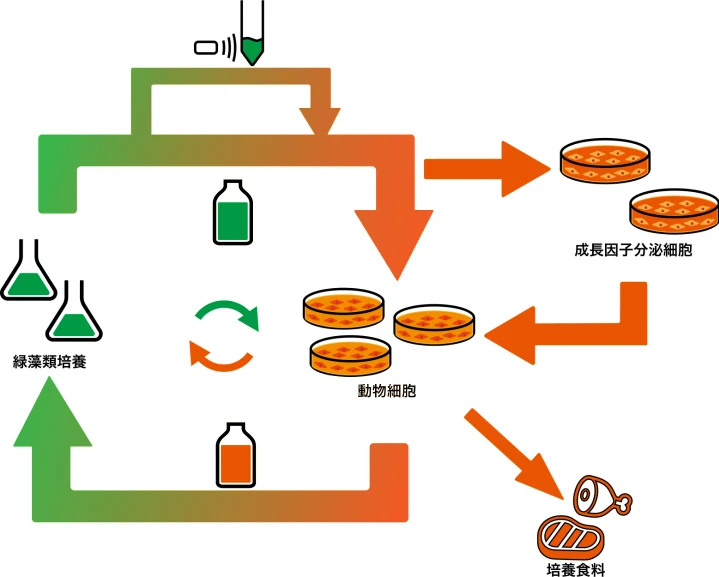
Figure 1. A grapical abstract of circular cell culture system
Algae as an Alternative Source of Culture Medium Nutrients
To cultivate mammalian cells in vitro, nutrients such as carbohydrates, nitrogen sources, and vitamins are required to support cell survival and proliferation. Conventional basal media used for animal cell culture contain nutrients derived from agricultural crops. However, crop-dependent cell culture may contribute to competition among food, livestock feed, and biofuel production, potentially increasing crop prices. In addition, crop production requires extensive land use, water consumption, and the application of fertilizers and pesticides, resulting in significant environmental burdens.
To address these challenges, we have explored the use of algal biomass as an alternative nutrient source. We demonstrated that nutrients essential for animal cell culture, including glucose and amino acids, can be extracted from algae through hydrolysis using ultrasonic treatment, conventional liquid acids such as hydrochloric acid, and environmentally friendly solid acids¹˒². Furthermore, by combining these methods with additional processing techniques, we significantly improved the recovery of amino acids that were difficult to extract using conventional approaches alone. Through optimization of these extraction methods, we achieved algal biomass degradation rates exceeding 90%.
Algal Cultivation Using Spent Animal Cell Culture Medium
Animal cells consume glucose and amino acids as nutrients and produce lactate and ammonia as metabolic waste products. During cell culture, nutrient depletion and waste accumulation inhibit cell survival and proliferation, necessitating periodic replacement of the culture medium.
Spent culture medium still contains residual phosphorus (P), minerals, and ammonia that can serve as nutrients for algal growth. Therefore, it is possible to cultivate algae using waste medium generated from animal cell cultures. Algae naturally assimilate ammonia and convert it into amino acids. In addition, we employ genetically engineered algae capable of converting lactate into pyruvate, a metabolite that can be utilized by animal cells as an energy source³. These engineered algae not only grow using components present in the spent medium but also contribute to its purification.
We confirmed that cultivation of algae in spent animal cell culture medium removed 80–90% of accumulated metabolic waste products. Furthermore, we demonstrated that regenerated culture medium produced through algal upcycling of waste metabolites could support animal cell proliferation⁴. These findings highlight the potential for reducing agricultural resource dependence and minimizing culture waste generation. Collectively, our results demonstrate the feasibility of Cell Culture Circularity (CCC), a system that enables the circular reuse of crop-free culture media.
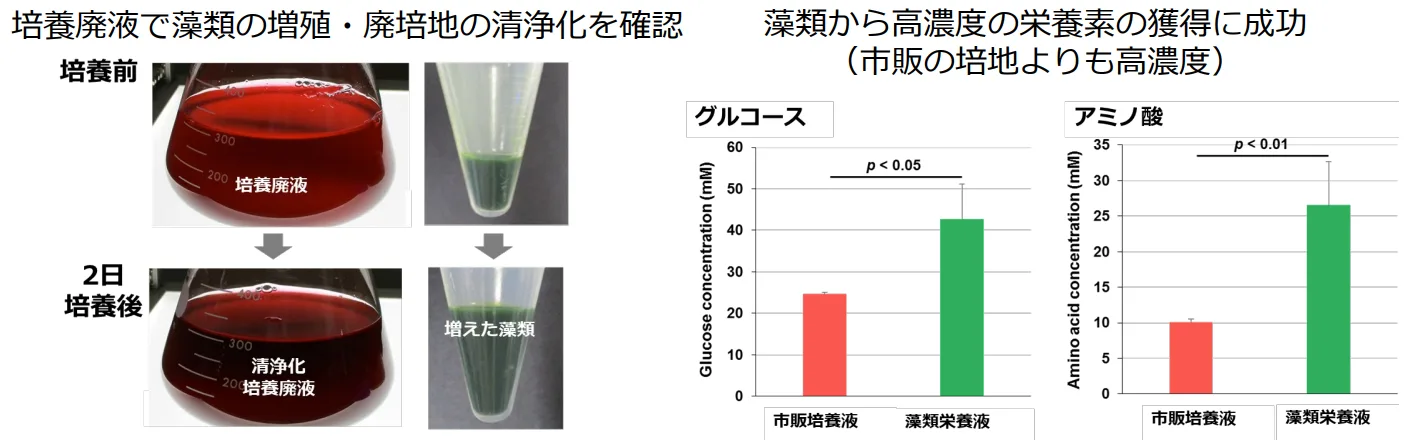
Figure 2. Research progress of circular cell culture system
Production of Cultivated Meat Using Cell Sheet Technology
Cultivated meat is a food product produced by constructing three-dimensional tissues from animal-derived skeletal muscle and adipose cells expanded in vitro using various tissue engineering technologies. As global demand for meat continues to increase alongside population growth, conventional livestock production faces challenges related to infectious disease risks and environmental impacts, including greenhouse gas emissions. Consequently, there is growing interest worldwide in developing cultivated meat production systems that can reduce disease risks through sterile manufacturing processes while minimizing environmental burdens.
A patented technology developed at Tokyo Women’s Medical University utilizes temperature-responsive culture dishes, enabling cultured cells to be harvested as intact sheet-like tissues without enzymatic treatment⁵. These tissue constructs, known as cell sheets, can be layered and fused together to form thicker three-dimensional tissues⁵.
Using this technology, we are developing cultivated chicken meat by stacking cell sheets generated from extensively expanded chicken-derived cells. In addition, we are exploring a variety of tissue engineering approaches—including enzyme-induced gelation, spheroid-based assembly, and cell fiber technologies—to recreate the structure, texture, and overall sensory properties of conventional meat. Through these efforts, we aim to develop cultivated meat products that resemble traditional meat in both form and eating quality.
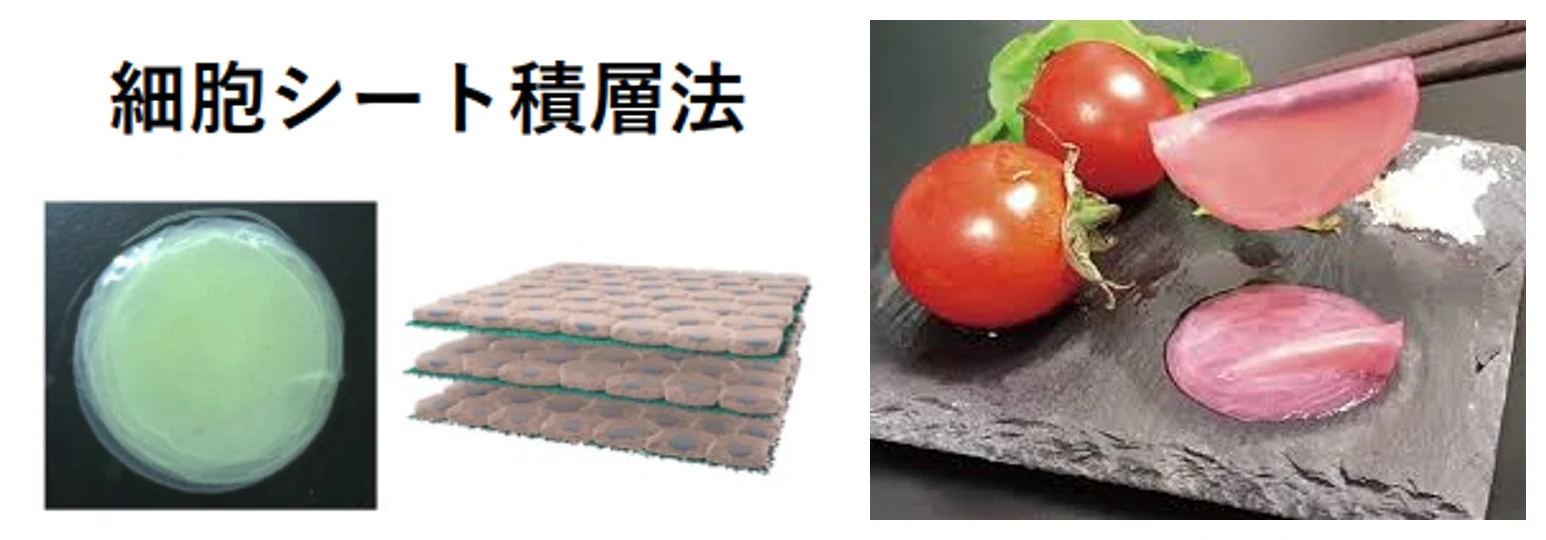
Figure 3. Cell-sheet-based tissue engineering (left) and
cultivated meat produced by stacking 10 cell sheets (right)
References
- [1] Okamoto, Y., Haraguchi, Y., Yoshida, A., Takahashi, H., Yamanaka, K., Sawamura, N., ... & Shimizu, T. (2022). Proliferation and differentiation of primary bovine myoblasts using Chlorella vulgaris extract for sustainable production of cultured meat. Biotechnology Progress, 38(3), e3239.
- [2] Haraguchi, Y., Kato, Y., Inabe, K., Kondo, A., Hasunuma, T., & Shimizu, T. (2023). Circular cell culture for sustainable food production using recombinant lactate-assimilating cyanobacteria that supplies pyruvate and amino acids. Archives of Microbiology, 205(7), 266.
- [3] Shimizu, T., Yamato, M., Kikuchi, A., & Okano, T. (2001). Two-dimensional manipulation of cardiac myocyte sheets utilizing temperature-responsive culture dishes augments the pulsatile amplitude. Tissue engineering, 7(2), 141-151.
Related Publications
- [4] Ghosh, J., Haraguchi, Y., Asahi, T., Nakao, Y., & Shimizu, T. (2023). Muscle cell proliferation using water-soluble extract from nitrogen-fixing cyanobacteria Anabaena sp. PCC 7120 for sustainable cultured meat production. Biochemical and Biophysical Research Communications, 682, 316-324.
- [5] Chu, S., Haraguchi, Y., Asahi, T., Kato, Y., Kondo, A., Hasunuma, T., & Shimizu, T. (2024). A serum-free culture medium production system by co-culture combining growth factor-secreting cells and L-lactate-assimilating cyanobacteria for sustainable cultured meat production. Scientific reports, 14(1), 19578.